
Dreaming of a new bathroom? Before you start selecting tiles or sketching layouts, it’s worth getting familiar with a few key terms. At Willow Tile Co, we believe that understanding the lingo empowers you to make beautiful, informed choices, and avoids costly surprises later!
Here’s our curated guide to 10 tile and renovation terms every stylish renovator should know.
1. Pressed Edge
Pressed edge tiles are molded into shape and have slightly rounded edges. They require wider grout joints, which creates a more classic, visible grid — ideal if you’re after a traditional or handcrafted look.
2. Rectified Edge
These tiles are mechanically cut after firing for perfectly straight, sharp edges. They allow for thinner grout lines and a seamless finish — a hallmark of modern, high-end design.
Willow Tip: If you love minimalism, go rectified.
3. Mitred Edge
Mitred edges are created by cutting tiles at a 45° angle where they meet — usually at corners or niches. This technique creates clean lines without visible trims and is often used in luxury bathrooms for a seamless look.
Note: This finish looks incredible but requires expert tiling.
4. Tile Trim
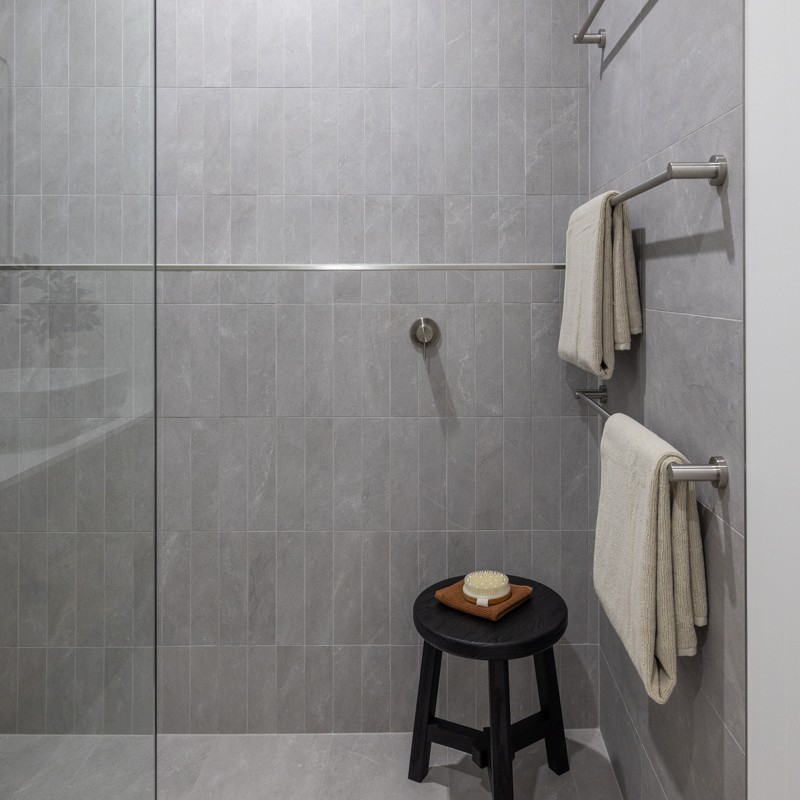
Tile trims are used to finish the edges of tiled areas — around niches, walls, or where tiles meet paint. Available in finishes like matte black, brushed brass, or chrome, trims are both functional and an opportunity to elevate your design.
Willow Tip: Match your trim to your tapware for a cohesive look or use a brushed silver to blend in with your tiles.
Tile Trim
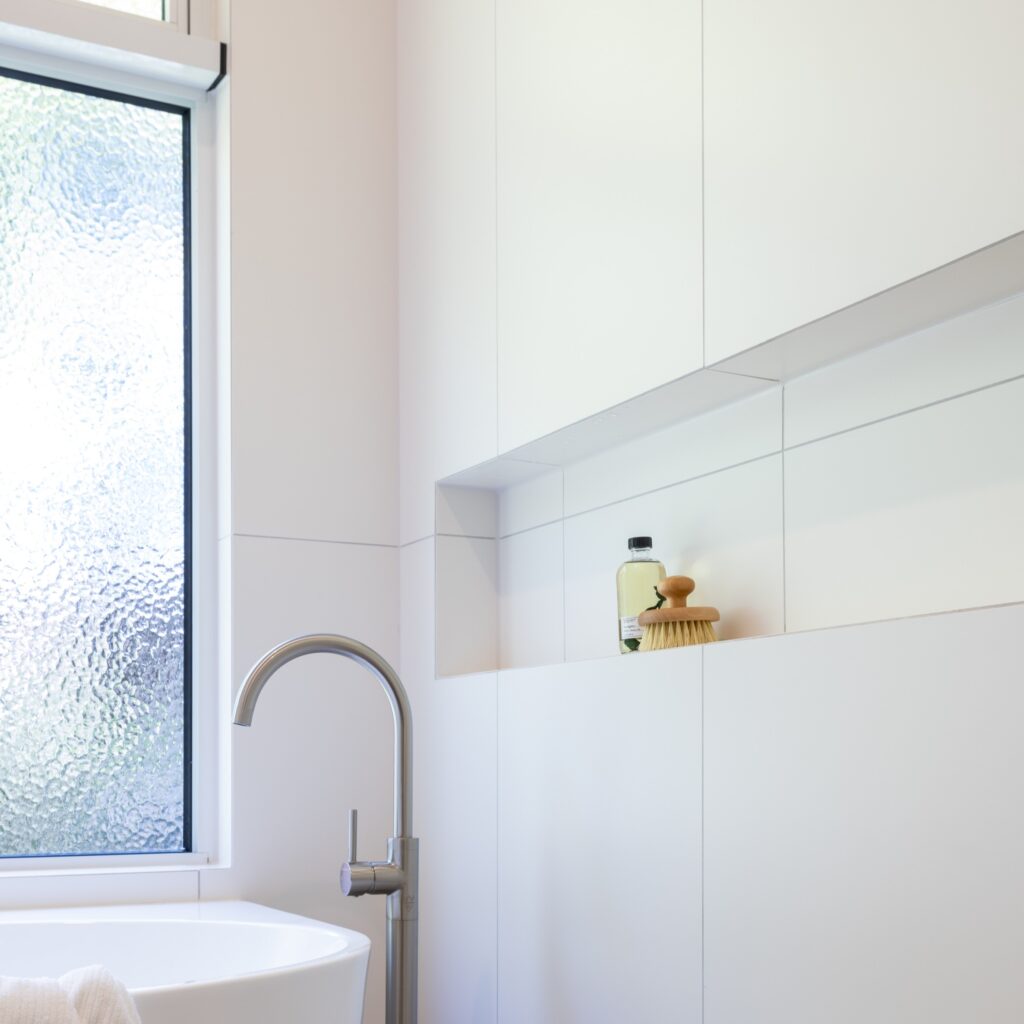
Mitred Edge
5. Waterproofing Membrane
Before tiles go down, your bathroom needs to be waterproofed. A waterproofing membrane is a protective layer applied to surfaces like floors and walls to prevent moisture from seeping through.
This step is essential — and legally required — in all wet areas.
6. Slip Rating
This rating indicates how slip-resistant a tile is, especially important in bathrooms and wet zones. Look out for P ratings (P1–P5) or R ratings (R9–R13). The higher the number, the more grip the tile provides.
7. Tile Finish
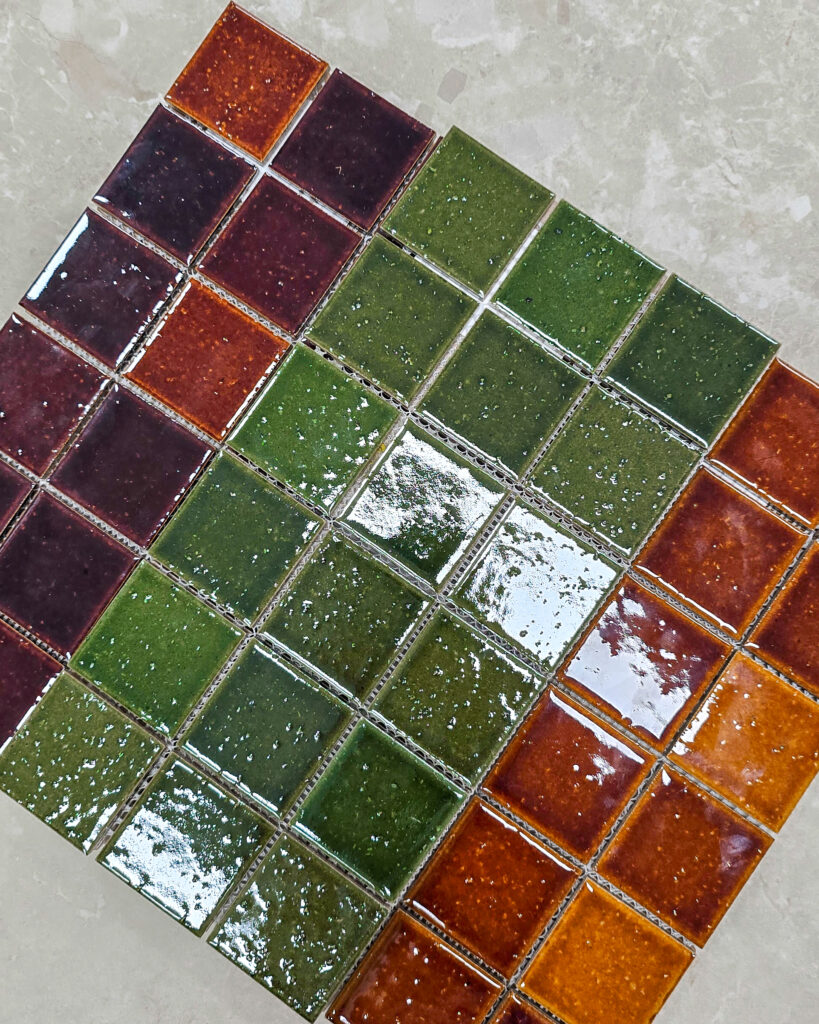
The surface texture of your tile – matte, gloss or polished, honed, textured, or lappato – affects not just the look but also the safety and ease of cleaning. Ask us to show you the difference in certain tiles so you can understand the differences.
Glossy tiles reflect light (including bright spots from downlights) and can be quite slippery on floors; matte or textured tiles are safer for floors especially around wet areas but can be a little harder to clean.
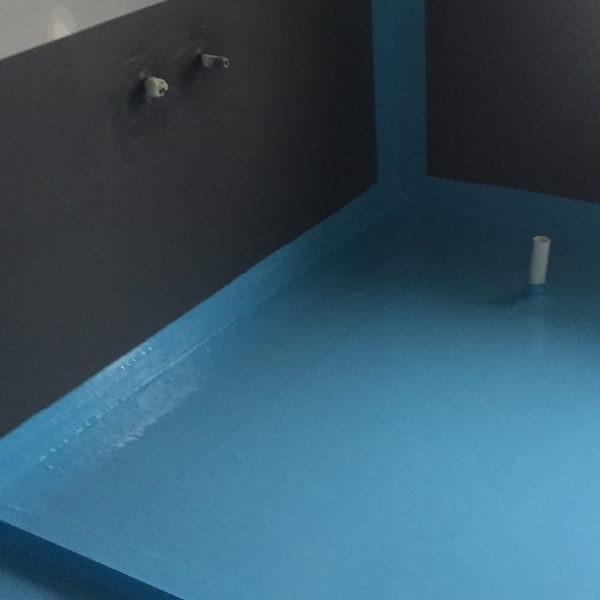
Waterproofing
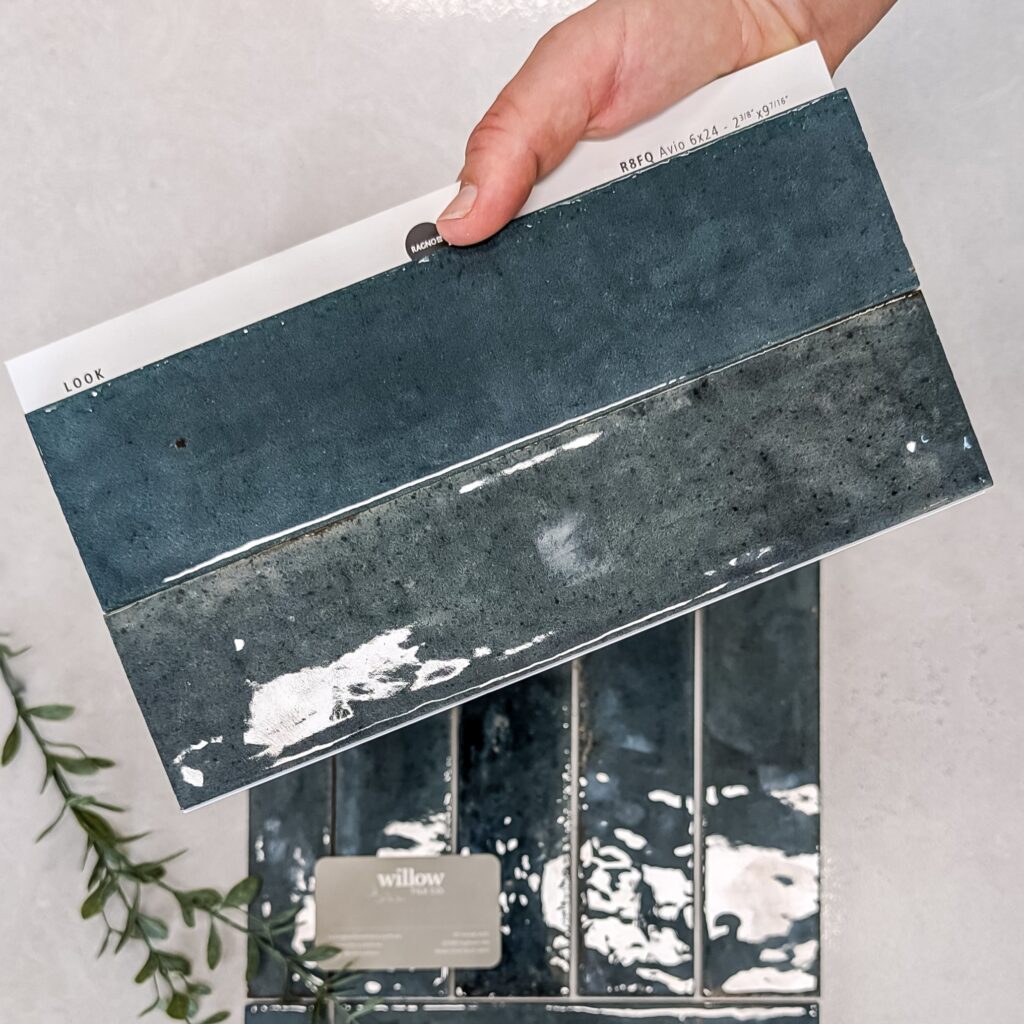
A glossy finish.
8. Porcelain Tile
Porcelain tiles are denser and less porous than standard ceramic tiles, making them highly durable and water-resistant. They’re ideal for bathrooms, floors, and high-traffic areas.
They also allow for stunning natural stone or terrazzo looks, minus the maintenance.
9. Tile Variation (V Rating)
Some tiles are made to have natural variation — that’s part of their charm. The V rating tells you how much variation to expect:
-
V1: Uniform look
-
V2–V3: Some variation
-
V4: Each tile is unique
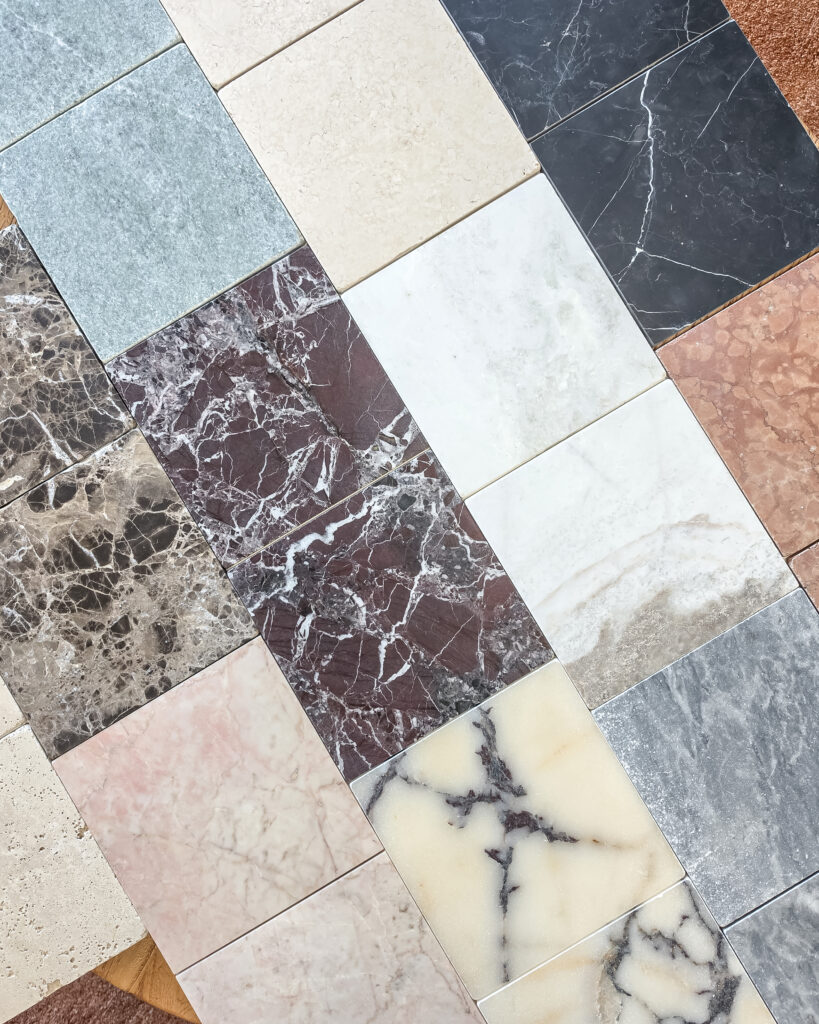
Timber-look, marble-look, and artisan tiles often feature higher variation for a more dynamic finish.
10. Grout Joint
This is the gap between tiles, filled with grout. The size and colour of your grout joint can completely change the look of your space — from soft and tonal to sharp and bold.
Dark grout = striking contrast. Light grout = seamless calm.
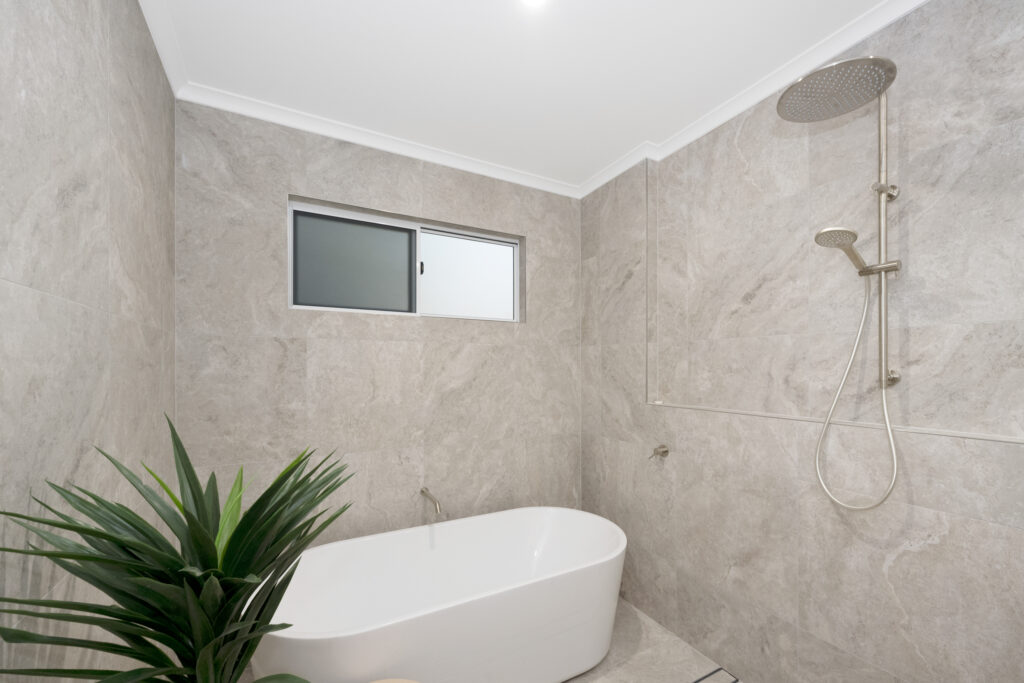
A tile with high variation creates a natural stone look.
Final Thought
Understanding the basics doesn’t mean you need to be an expert — that’s our job. But it does mean you’ll feel more confident, more prepared, and more excited about the renovation process.
Want help selecting the perfect tile and finish for your bathroom? Visit us at Willow Tile Co — where design meets knowledge, and inspiration meets practicality.