

Choosing tiles for your bathroom sounds simple… until you’re standing in a showroom staring at hundreds of options.
Gloss or matte?
Big tiles or small tiles?
What’s a slip rating?
What does “rectified” even mean?
If you’re building or renovating — especially as a first-home renovator or owner builder — tile selection can feel overwhelming. The good news? Once you understand a few key things, it becomes much clearer.
Here’s what you actually need to know.
1. Floor Tiles vs Wall Tiles — They’re Not the Same
Not all tiles are suitable for floors.
Floor tiles are made to handle weight and foot traffic. They’re stronger and often have more grip. Wall tiles don’t need that strength, so they can be lighter and more decorative.
You can usually use a floor tile on a wall.
You generally can’t use a wall tile on a floor.
Always check before locking anything in. It saves headaches later.
2. Slip Ratings – Explained Simply
Slip ratings aren’t complicated – they’re about safety.
In wet areas like bathrooms, especially on the floor, you need grip when water is present. Most internal bathroom floors sit around an R10 rating or equivalent pendulum rating, which offers a good balance of safety and comfort.
For shower floors, some people choose:
-
Smaller tiles (more grout lines = more grip), or
-
A specifically rated non-slip tile
It’s about getting the right balance between safety, comfort and cleanability.
3. Rectified vs Pressed Edge – Why It Matters
This is a big one.
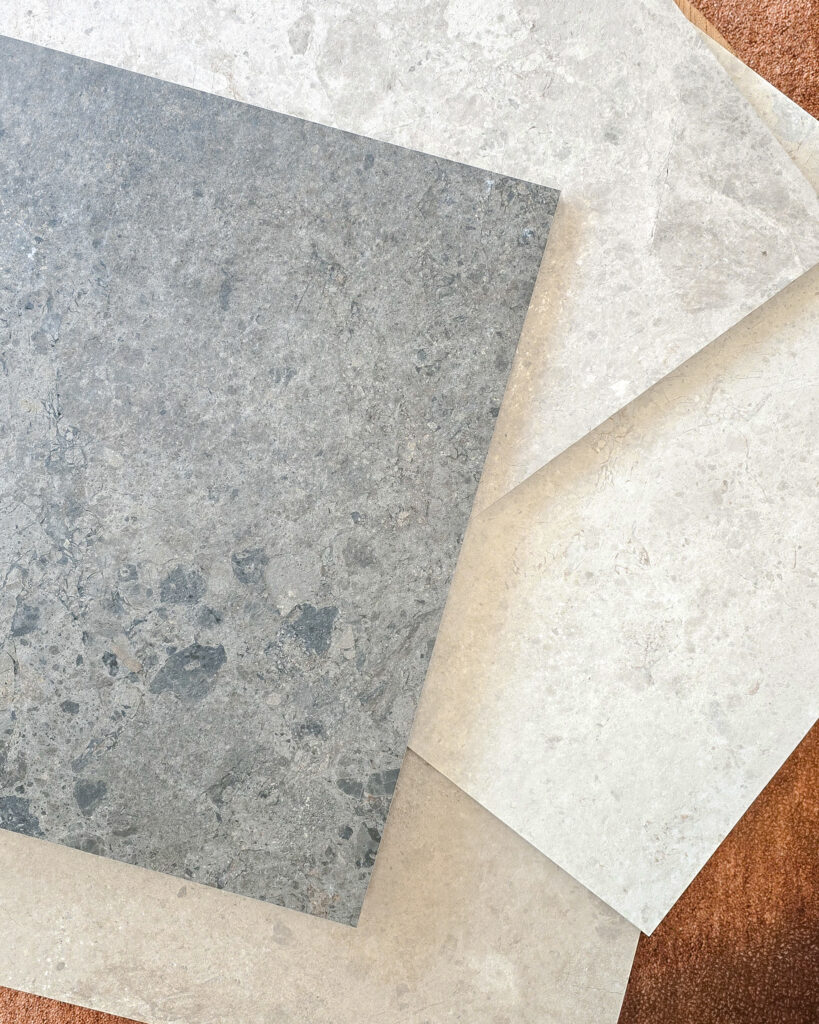
A rectified tile has been mechanically cut after firing so all edges are perfectly straight and square. This allows for tighter grout joints and a cleaner, more seamless look.
A pressed edge tile (also called cushioned edge) has slightly softer, rounded edges straight from the mould. This means the grout joint is usually a little wider.
So what does that mean for you?
Rectified:
-
Sleek, modern appearance
-
Narrow grout lines
-
Works beautifully in large format tiles
Pressed edge:
-
Slightly softer look
-
More forgiving during installation
-
Often suits more traditional or textured styles
- Often cheaper to install
Neither is “better.” It depends on the look you want and the level of precision required. If you love that seamless, contemporary feel — rectified is usually the way to go.
5. Grout Colour — The Detail That Changes Everything
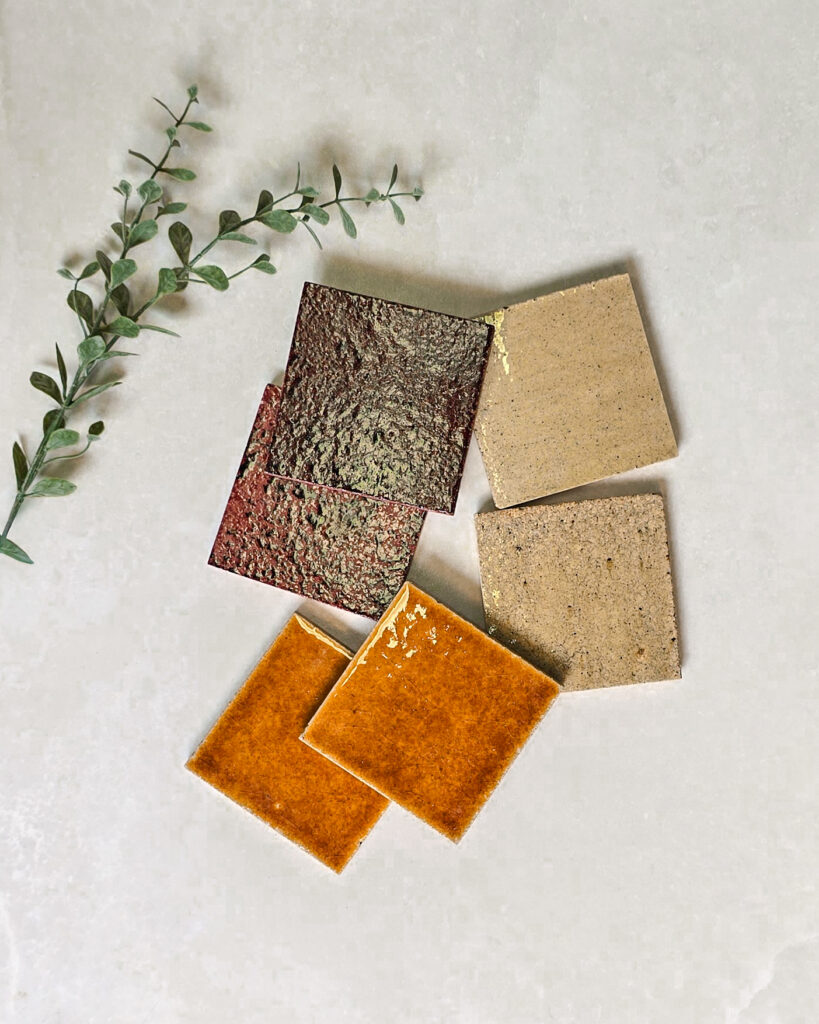
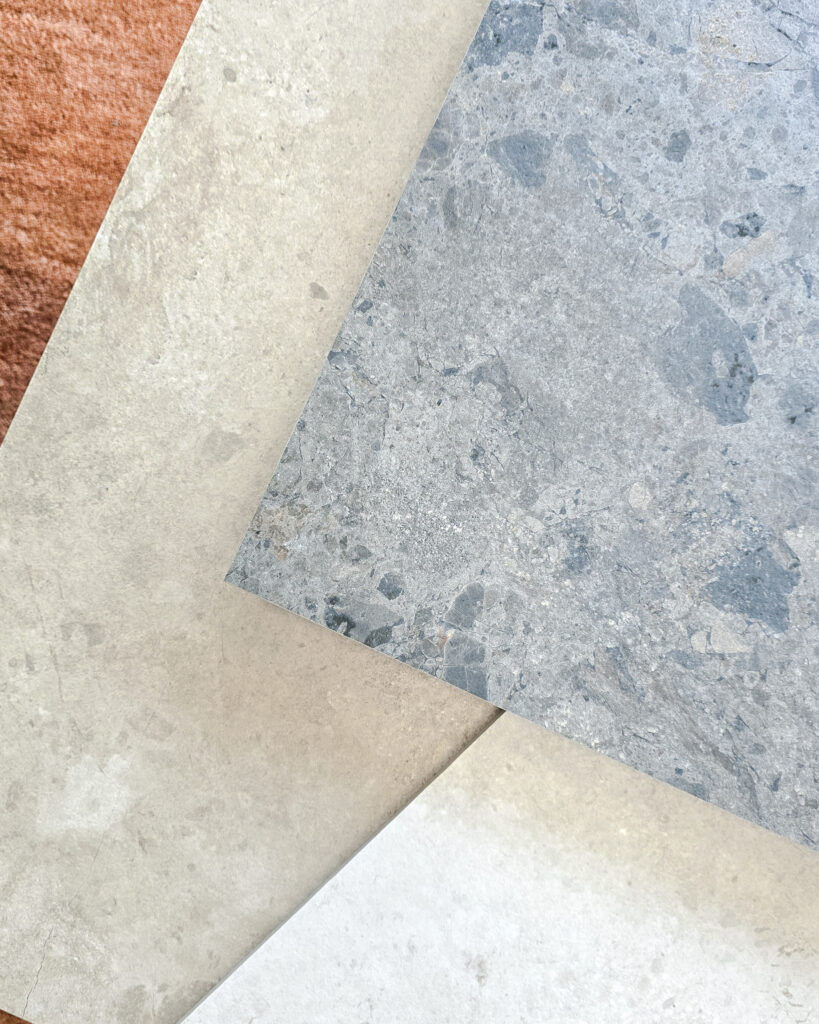
Grout isn’t just filler. It’s part of the design.
Matching grout:
-
Creates a seamless look
-
Makes the space feel bigger
Contrasting grout:
-
Highlights each tile
-
Adds pattern and definition
And yes — grout colour impacts maintenance. Mid-tone grout is usually the most forgiving on floors.
Small decision. Big visual impact.
6. Maintenance – Think Long Term
Bathrooms deal with steam, water and cleaning products daily.
Porcelain tiles are incredibly durable and low maintenance, which is why they’re so popular. Natural stone may require sealing and more care.
Very textured tiles add grip, but can hold onto dirt more easily.
Before choosing purely on appearance, ask yourself how much maintenance you’re realistically willing to take on.
The best bathroom isn’t just beautiful on day one. It still looks good years later.
Final Thoughts
The biggest mistake we see? Choosing tiles in isolation.
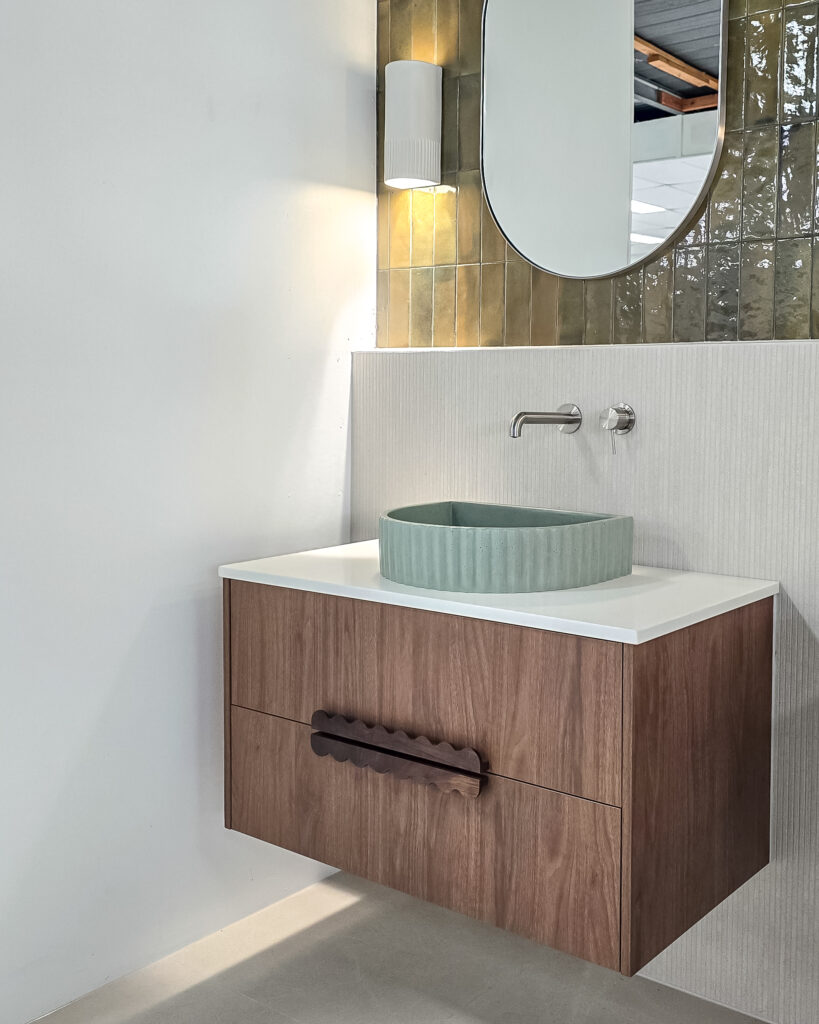
Tiles need to work with your vanity, tapware, lighting and layout. They need to suit your lifestyle, not just what’s trending.
Bring in your plans. Bring in your ideas. Ask the questions!!
We genuinely love helping people get this right! There’s nothing better than seeing a bathroom come together perfectly and knowing it’s built to last.