

Texture, Depth and the Return of Material Confidence
As we move into 2026, interiors are warming up.
Cool minimalism is giving way to layered neutrals, expressive surfaces and materials that feel crafted rather than manufactured. Tiles are no longer a quiet backdrop. They are shaping atmosphere, reflecting light and anchoring entire rooms.
Across global design fairs, Japanese ceramic houses and architectural projects here in Australia, a clear direction is emerging.
Here’s what is defining the year ahead.
1. Chunky Organic Terrazzo
Terrazzo has shifted into something far more sculptural.
Instead of fine speckling, we’re seeing larger, irregular aggregate pieces set within soft mineral bases. The inclusions feel curated and organic, adding movement without chaos.
This reflects a broader move toward expressive surfaces. Terrazzo in 2026 feels playful, but refined. Contemporary, but grounded in nature.

2. Deep Wine & Oxblood Tones
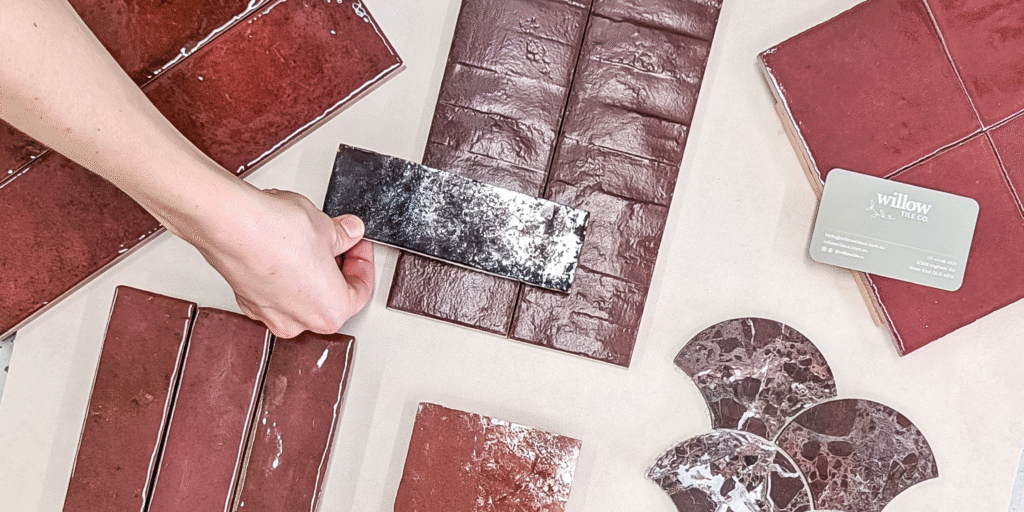
Saturated reds are making a confident return.
Deep wine, oxblood and burgundy tones are appearing in high-gloss finishes that amplify richness and depth. The glaze allows the colour to shift subtly under different lighting, creating a layered, luxurious effect.
These hues align with the growing preference for cocooning interiors. Bathrooms and powder rooms are becoming mood-driven spaces, designed to feel intimate and immersive.
3. Terracotta & Sunbaked Clay
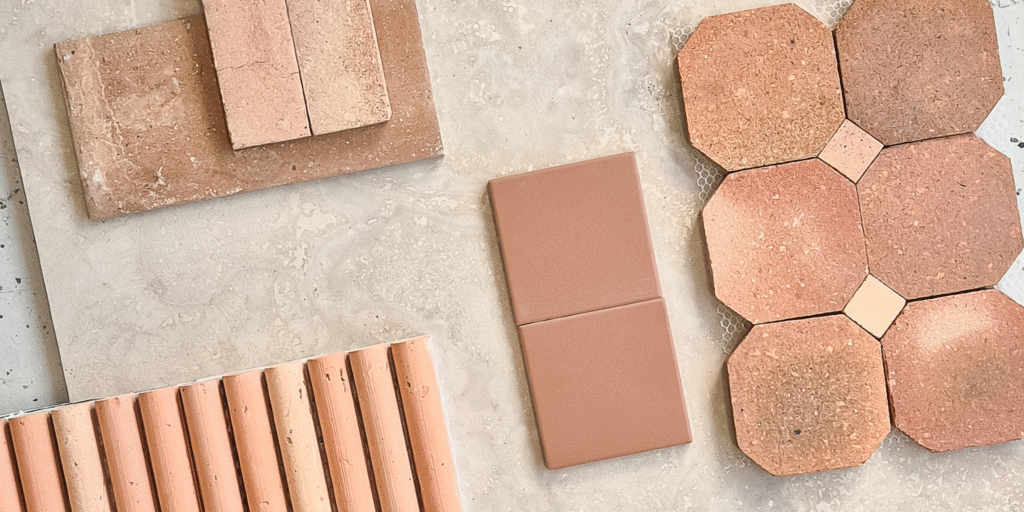
Clay-based colours continue to evolve.
In 2026, terracotta appears softer and more nuanced. Matte finishes dominate, with subtle tonal variation and texture embraced rather than corrected.
This movement ties into the broader architectural shift toward naturalism. Interiors are reconnecting with landscape and climate, favouring materials that feel authentic and warm.
Terracotta brings grounding energy to contemporary spaces and softens clean architectural lines without overpowering them.
4. Japanese Natural Glazes & Handmade Expression
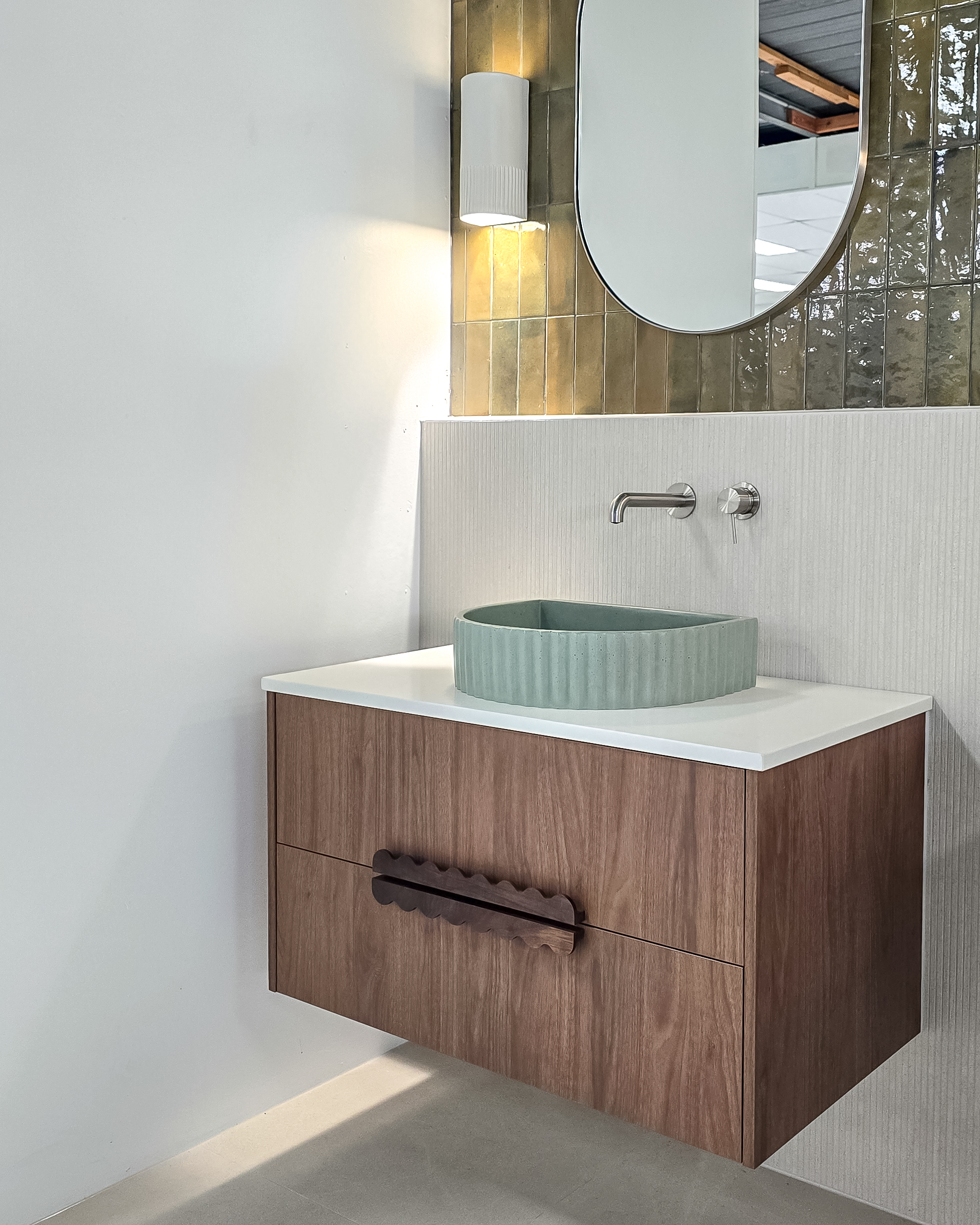
Japanese ceramic craftsmanship is influencing global interiors in a powerful way.
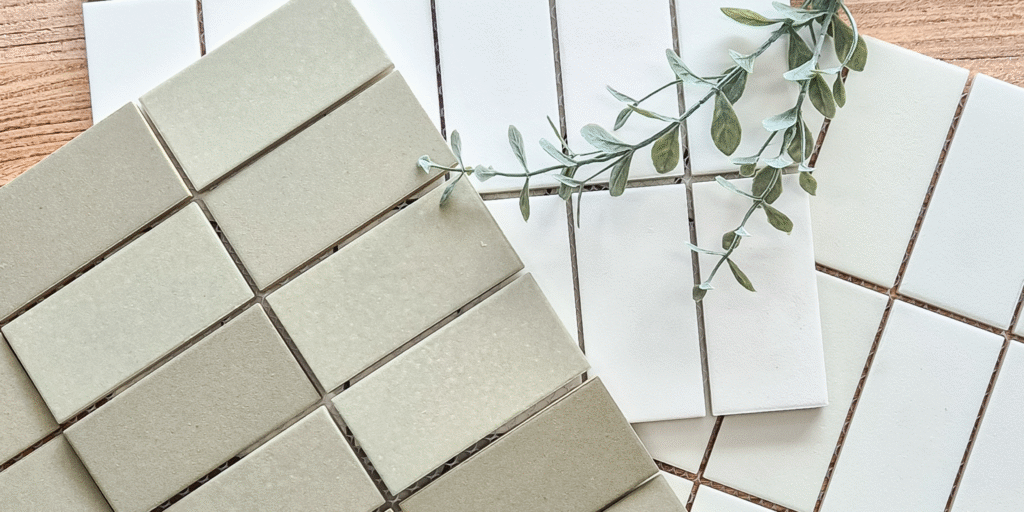
Tiles produced by Japanese factories often embrace the philosophy of wabi-sabi, celebrating variation and imperfection. Glazes pool organically at edges, tones shift subtly between pieces, and high-gloss finishes reflect light with depth and fluidity.
The colour direction remains restrained: warm bone, mineral greens, soft taupe, charcoal blues and natural neutrals.
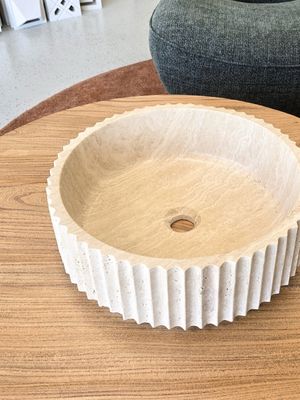
5. Vein Cut Travertine
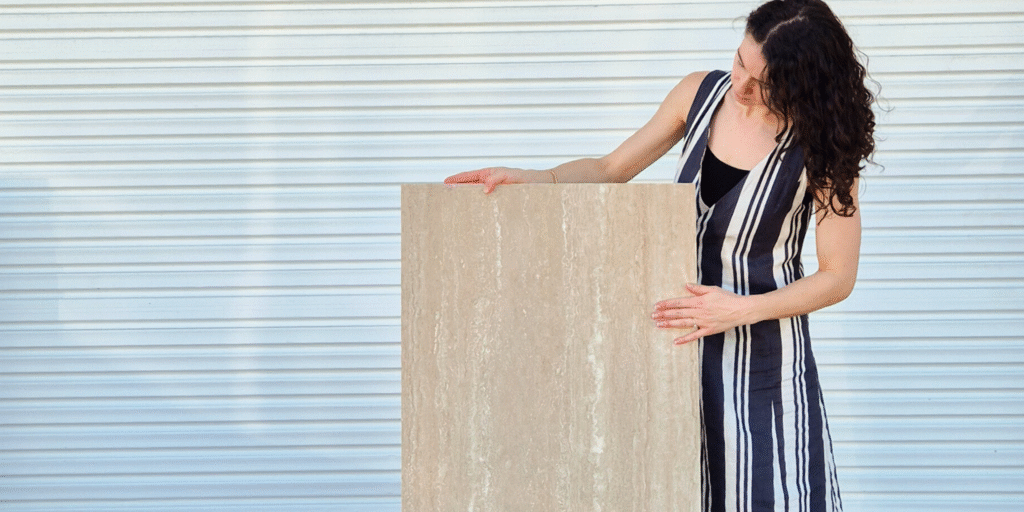
Natural stone continues to dominate, with vein cut travertine leading the direction.
Its linear grain introduces rhythm and structure, creating subtle drama without heavy contrast. In large format applications, it feels seamless and architectural.
Warm beige and creamy stone tones sit comfortably within the broader shift toward softened neutrals.
Travertine in 2026 is immersive. It wraps walls and floors, shaping calm, cohesive interiors that feel timeless yet current.
6. Bold Marble: Arabescato & Viola
Statement marble is returning with confidence.
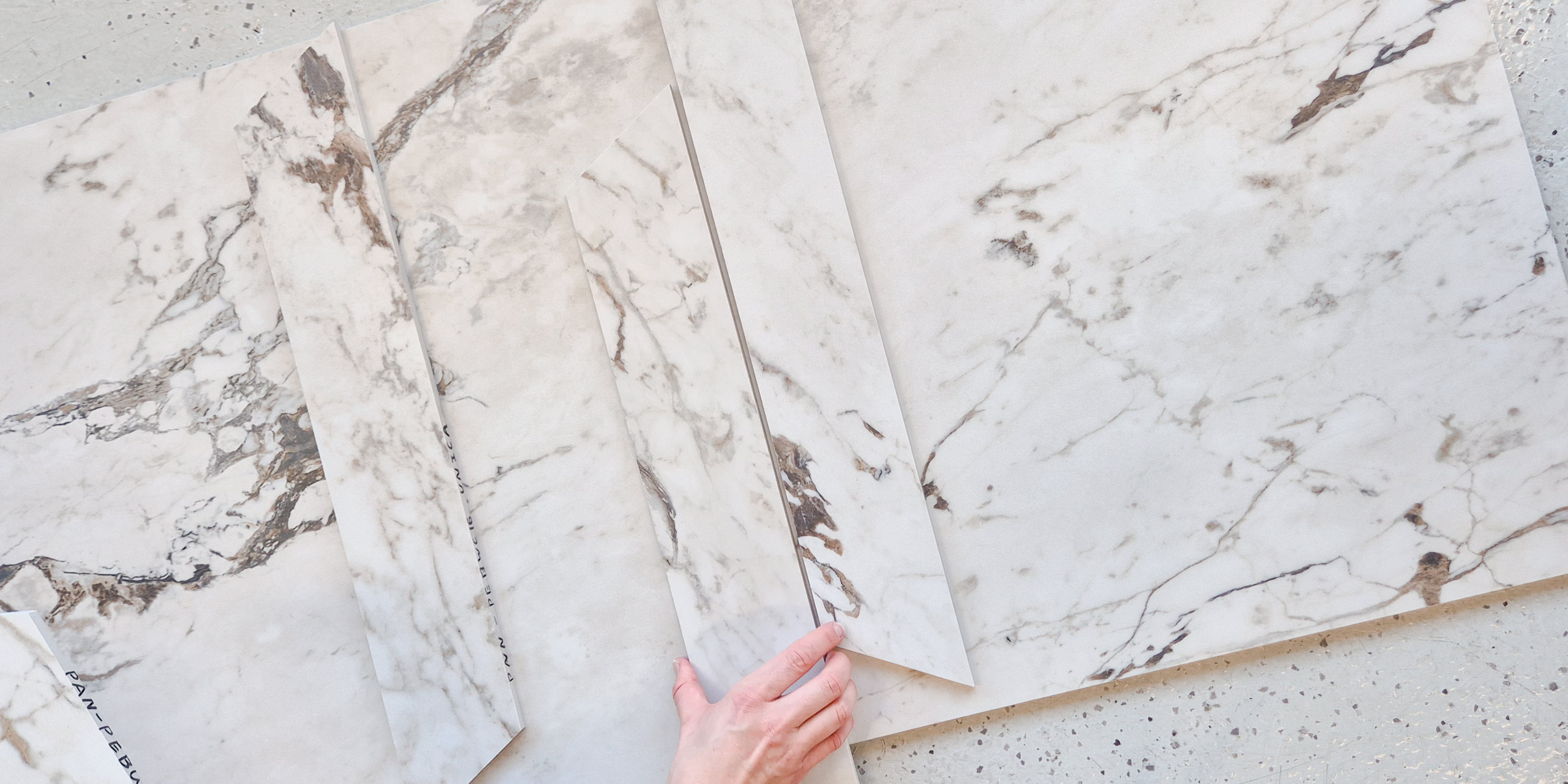
Arabescato offers crisp white bases with strong grey veining that feels architectural and defined. Viola introduces richer, deeper veining that aligns beautifully with the resurgence of saturated tones.
These stones anchor a space. Avoid the safe choice, and embrace some drama!
The Direction for 2026
Across all of these trends, one message is clear.
Interiors are becoming warmer.
Surfaces are becoming more expressive.
Texture is replacing flatness.
Variation is being embraced.
In 2026, timelessness isn’t found in playing it safe. It’s found in selecting materials with depth, character and confidence.